


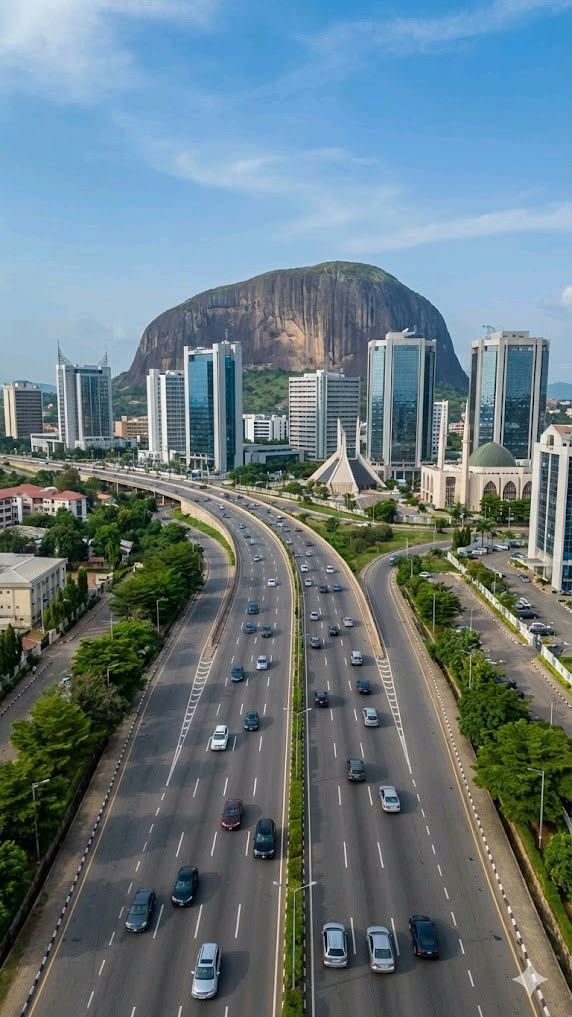
New roads fuel Abuja’s real estate growth as major infrastructure projects open up fresh development corridors across the Federal Capital Territory (FCT). Improved connectivity is attracting developers, investors, and homebuyers to emerging districts with strong growth potential. The Federal Capital Territory Administration’s (FCTA) ongoing road program is reshaping Abuja’s property market, driving land appreciation, and creating opportunities that are redefining the city’s expansion.
Roads as Catalysts for Real Estate Growth
Transportation infrastructure is a critical driver of property performance. In Abuja, the dualization and expansion of arterial roads are unlocking new districts and transforming accessibility.
Benefits of Road Expansion
- Reduced travel times between the city center and satellite communities
- Increased investor confidence in emerging districts
- Rising land values as accessibility improves
- Integration of low-density settlements into Abuja’s urban economy
Strategic Corridors Fueling Expansion
Gishiri Interchange
The completion of the Gishiri Interchange has improved movement between Maitama, Katampe, Jahi, and surrounding districts. Once limited by poor accessibility, these areas are now attractive for residential estates, commercial developments, and institutional projects.
Airport Corridor
Road projects linking the city center to the Abuja Airport axis have boosted developer interest. Improved connectivity enhances the attractiveness of adjoining districts for long-term investment, making them prime locations for housing and commercial activity.
Satellite Towns
Expansion of road infrastructure toward satellite towns has produced similar effects. Communities once considered peripheral are now integrated into Abuja’s broader economy, encouraging workers employed in central districts to consider more affordable housing options in developing areas.
Rising Land Values and Investor Confidence
Land values in emerging districts have responded strongly to infrastructure upgrades. Investors who acquired land before major road projects commenced have seen substantial appreciation in property values.
Investor Takeaway
- Early investment in areas slated for road expansion often yields significant returns.
- Infrastructure announcements serve as early indicators of future growth corridors.
- Improved accessibility reduces risk and increases demand for both residential and commercial projects.
Commercial Development Opportunities
Improved road access is not only driving residential expansion but also making commercial operations more viable.
Emerging Commercial Projects
- Retail centers
- Fuel stations
- Warehouses
- Hotels
- Office complexes
Better roads increase customer reach, enhance logistics efficiency, and strengthen investor confidence.
Urban Planning and Population Growth
Urban planners view Abuja’s road expansion as essential for managing long-term population growth. The concentration of development in central districts has historically put pressure on housing supply, traffic networks, and land availability. By expanding road infrastructure, growth is distributed more evenly across the city, unlocking new development zones and easing congestion.
Housing Demand as a Driver
Housing demand remains one of the biggest drivers behind Abuja’s real estate growth. Rising land prices in established districts such as Maitama, Asokoro, Wuse, and Guzape have prompted buyers and developers to seek opportunities in emerging areas. Improved transportation networks make these locations increasingly attractive by reducing commuting challenges and enhancing accessibility.
Lessons from Previous Development Cycles
Experience from earlier development cycles in Abuja shows that locations benefiting from major infrastructure investments often experience:
- Accelerated property appreciation
- Stronger demand over time
- Increased investor confidence
This pattern is repeating itself as new roads reshape Abuja’s real estate landscape.
Roads as Economic Development Tools
Abuja’s road infrastructure has gone beyond transportation improvement; it now serves as a critical economic development tool. Roads influence:
- Land values
- Investment flows
- City expansion
- Residential and commercial growth patterns
Conclusion
New roads fuel Abuja’s real estate growth by unlocking new districts, boosting investor confidence, and reshaping the city’s housing and commercial landscape. Infrastructure projects are not just about transportation; they are powerful indicators of future growth corridors.
For developers, investors, and homebuyers, the message is clear: follow the roads. As Abuja continues to expand, new road projects will remain the backbone of its real estate transformation, driving opportunities and shaping the city’s future.


