


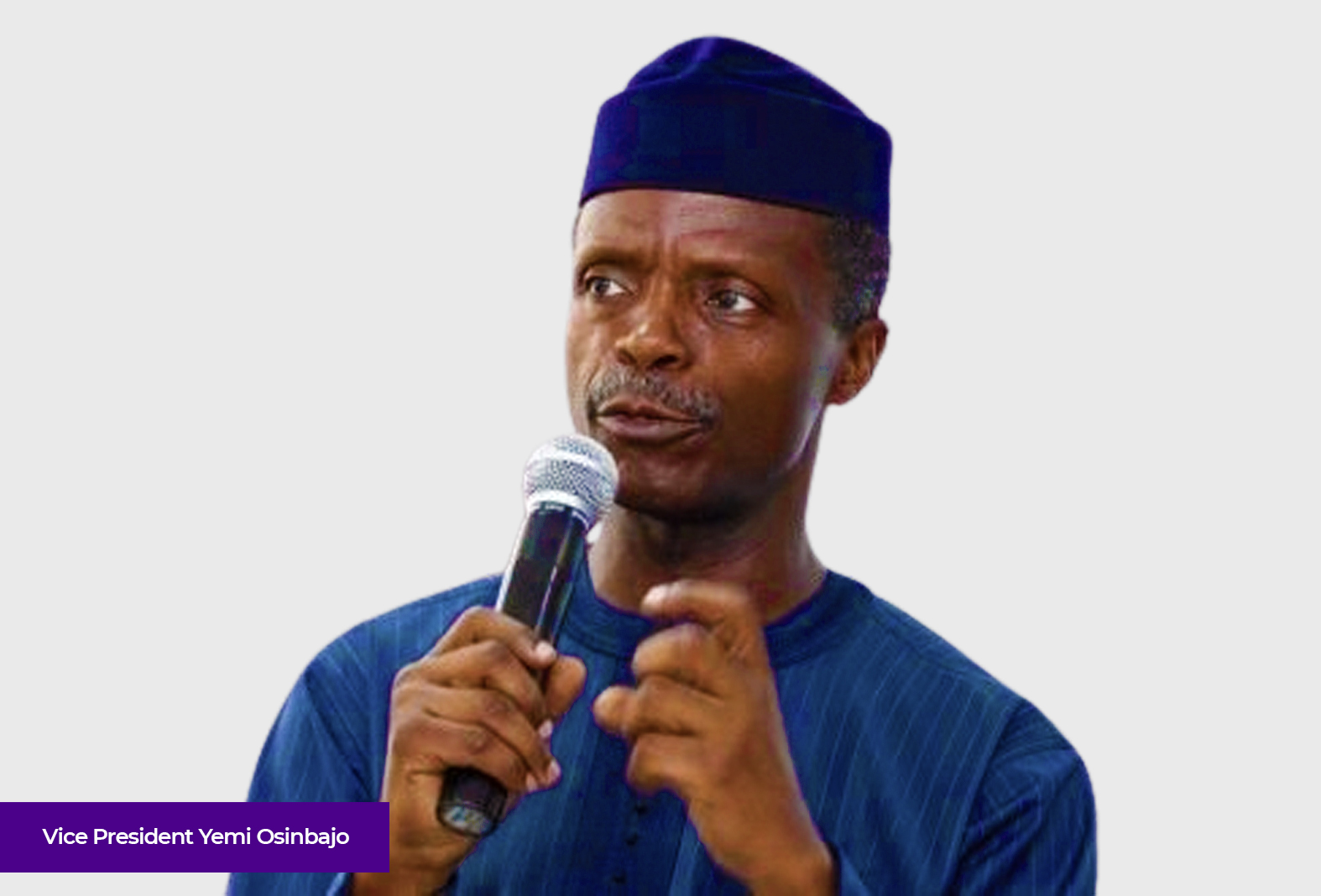
Affordable housing has long been one of Nigeria’s most pressing challenges. With rapid urbanization, population growth, and rising demand, the gap between housing needs and supply continues to widen. Yet, as former Vice President Prof. Yemi Osinbajo emphasized at the 2026 Wemabod Real Estate Outlook in Lagos, the solution is not elusive, it is a matter of political will.
The event, themed “Unlocking Land and Infrastructure for Inclusive Housing”, brought together policymakers, developers, financiers, and thought leaders to address the structural barriers holding back Nigeria’s housing sector. Osinbajo’s keynote address set the tone, highlighting the critical role of government commitment, private sector collaboration, and systemic reform in delivering affordable housing for millions of Nigerians.
Housing as a Policy Choice
Osinbajo’s central argument was clear: affordable housing is possible if the government demonstrates firm political commitment. “With private sector support introducing market discipline, governments, if they can provide social housing, can provide the sort of model that Bodija has given us. It can be provided; it is a matter of political will,” he stated.
He drew on examples from his tenure as Vice President, recalling his visit to Borno State to inaugurate 15,000 housing units constructed by the state government. He compared this achievement to the landmark Lateef Jakande housing estates in Lagos, which exceeded 15,000 units. These examples prove that large-scale housing delivery is achievable when leadership prioritizes it.
The message was unmistakable: Nigeria does not lack the resources, expertise, or land. What it lacks is the political will to treat housing as a national priority and to align policies, institutions, and investments toward inclusive delivery.
Land Administration: Unlocking the Foundation
One of the most significant barriers to housing development in Nigeria is land administration. Osinbajo highlighted how fragmented records, overlapping claims, and bureaucratic delays have long constrained efficient urban development.
He proposed digitizing land records to create a transparent and accessible database of ownership boundaries and usage rights. Digital titling, he explained, would reduce disputes, prevent double allocation, and provide a reliable foundation for investment. For developers, this would mean predictable timelines and reduced risks. For citizens, it would mean secure tenure and easier access to housing finance.
Streamlining land acquisition processes is equally critical. Osinbajo suggested regional legal frameworks to simplify documentation and ensure predictable timelines. Such reforms would encourage both private sector participation and public infrastructure development, laying the groundwork for sustainable urban expansion.
Infrastructure: The Backbone of Affordable Housing
Housing cannot exist in isolation. Without enabling infrastructure such as; roads, electricity, water, gas pipelines, and social services, housing projects remain disconnected and unsustainable. Osinbajo emphasized that modernizing land administration must go hand in hand with infrastructure delivery.
By coordinating land banking with infrastructure investment, Nigeria can create well-planned urban expansion strategies. This approach would reduce corruption, enhance security for homeowners and developers, and support proactive development that scales beyond isolated projects.
The Lagos State Government’s recent engagement with stakeholders over the Lekki-Epe gas pipeline and electricity projects illustrates the growing recognition that infrastructure is inseparable from housing. For Nigeria to achieve affordable housing at scale, infrastructure investment must be prioritized as a national development strategy.
Inclusive Housing: Moving Beyond Rhetoric
Osinbajo stressed that inclusive, sustainable housing is not a dream, it is a policy choice. “South-West Nigeria does not lack land, capital, or expertise. What it lacks is a coherent regional vision that treats housing as the backbone of urban development,” he said.
This call to action challenges stakeholders to move beyond aspirational rhetoric and toward delivery models that serve low- and middle-income Nigerians. Too often, housing conversations focus on luxury developments that cater to the elite. Yet the real test of inclusivity lies in providing affordable, decent housing for the majority.
By modernizing land administration, investing in infrastructure, and aligning regional visions, Nigeria can create housing systems that deliver lasting social and economic value.
Wemabod’s Role in Shaping the Future
Earlier in his welcome address, Bashir Oladunni, CEO of Wemabod, explained that between 2023, when Wemabod was relaunched, and today, the company has recorded significant growth. He emphasized that this year’s theme signals a shift from managing challenges to building enduring solutions.
“It recognizes that housing is not merely a social obligation but a foundation for economic productivity, social stability, and sustainable urban growth,” Oladunni said. He pointed out that Nigeria’s housing challenge is not just about supply, it is about access and affordability.
At the heart of this challenge are two structural constraints: land and infrastructure. Without accessible, properly titled land, housing remains expensive. Without enabling infrastructure, housing cannot scale, and cities cannot thrive. Regional development commissions, Oladunni argued, are critical to unlocking regional potential, coordinating infrastructure, and driving development beyond administrative boundaries.
A Pivotal Moment in Nigeria’s Urban Narrative
Nureni Adisa, Chairman of Wemabod Limited, added a broader perspective. “We stand at a pivotal moment in our urban narrative. Across our region, we witness a paradox: vibrant economic growth alongside deepening housing inequality; vast urban sprawl straining against inadequate infrastructure; and land, our most fundamental asset, often trapped in frameworks that limit its potential for the broader good.”
His remarks underscored the urgency of systemic reform. Nigeria’s housing challenge is not just about building more units, it is about creating systems that align land, infrastructure, finance, regulation, and governance. Only then can housing serve as the backbone of inclusive urban development.
Key Takeaways from the 2026 Wemabod Real Estate Outlook
The discussions at the Outlook highlighted several critical insights:
- Political will is decisive. Affordable housing is possible if government leaders prioritize it and commit to systemic reforms.
- Land reform is foundational. Digitizing records, streamlining acquisition, and securing tenure are essential to unlocking housing supply.
- Infrastructure investment is non-negotiable. Housing cannot scale without roads, electricity, water, and social services.
- Inclusivity must be prioritized. Housing delivery models must serve low- and middle-income Nigerians, not just the elite.
- Collaboration is essential. Public and private sectors must align to overcome inefficiencies and fragmentation.
- Housing is a policy choice. Nigeria has the resources and expertise; what it needs is coherent vision and execution.
Conclusion: Ready or Not?
Nigeria’s housing sector stands at a crossroads. Rising demand collides with constrained supply, creating a widening gap that threatens economic inclusion and social stability. Yet the solutions are within reach.
As Osinbajo concluded, “The question is not whether we know what to do, but whether we are ready to do it.”
The 2026 Wemabod Real Estate Outlook was more than a conference, it was a call to action. It reminded stakeholders that housing is central to Nigeria’s future, and that solving its challenges requires courage, collaboration, and above all, political will. The time for diagnosis is over. The time for execution is now.


