


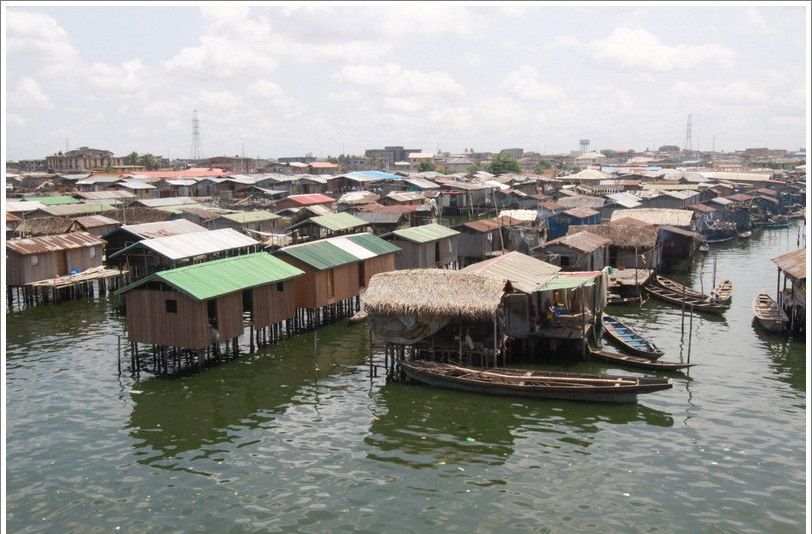
The demolition of homes in Makoko, Oko‑Agbon, and Sogunro waterfront communities in Lagos has sparked a heated dispute between residents and the state government. While the Lagos State House of Assembly has recommended relocating displaced families to Epe, community members insist they were never consulted and reject the plan outright.
Voices from Makoko
Zannu Silivester, Secretary of the Makoko Gunuvi Student Association, explained that engagements with the government were limited to debates and suggestions, not binding agreements. “We are surprised that a conclusion was announced and published without the knowledge or agreement of the Makoko community,” he said.
Silivester condemned the sudden recognition of the Oloto Royal Family as ancestral owners of the waterfront, noting that earlier Assembly sessions had dismissed such claims. He stressed that the Ogu (Gunuvi) people, whose traditional occupation is fishing, are the original residents.
He warned that residents may mobilize peaceful protests if their voices continue to be ignored. “The people of Makoko are law‑abiding citizens, but we will continue to defend our rights, heritage, and ancestral homes,” he added.
Community Leaders Push Back
Elder Isaac Dosugan, 75, emphasized that residents had proposed a different arrangement: defining boundaries within the water area and developing low‑cost housing units in the remaining land. “It is surprising that they are now saying that they will relocate us. We will not agree to this, and we reject any relocation plan,” he said.
Assembly’s Recommendation
During a plenary session, the Lagos Assembly adopted a report by its Committee on Rules and Business, recommending relocation to Epe. The resolution followed a petition titled Urgent Appeal Regarding Ongoing Mass Forced Eviction and Illegal Demolition Threatening Tens of Thousands in Makoko, Oko‑Agbon, and Sogunro Communities.
Committee chairman Noheem Adams explained that the decision came after five meetings with petitioners and oversight visits. The lawmakers argued that relocation to a low‑cost housing estate in Agbowa would allow residents to continue fishing activities.
The Human Cost of Demolition
The demolition, which began late last year, displaced thousands, including women, children, and older people. Homes and properties were destroyed, leaving families vulnerable. Civil society groups criticized the exercise as heavy‑handed, demanding clear resettlement and compensation plans.
For residents, the issue is not just about housing but about heritage, livelihood, and identity. Fishing communities like Makoko depend on proximity to water. Relocation inland threatens their way of life.
Democracy and Consultation
Residents argue that the relocation plan undermines democratic principles. Silivester stressed that democracy means people have the right to choose their future, not have decisions imposed without consultation. The lack of transparent dialogue has fueled mistrust and resistance.
Heritage and Ownership Disputes
The controversy over ownership adds another layer of complexity. While the Assembly previously dismissed claims by the Oloto Royal Family, recent references to them as owners of Makoko have unsettled residents. For the Ogu people, Makoko is not just land but an ancestral heritage tied to fishing traditions.
Livelihood Concerns
Fishing is the backbone of Makoko’s economy. Relocation to Epe or Agbowa raises questions about whether residents can sustain their livelihoods. While lawmakers argue that relocation sites will allow fishing, residents fear disruption of established networks, markets, and cultural ties.
Civil Society Response
Civil society groups have joined residents in condemning the demolition and relocation plan. They argue that forced evictions without adequate consultation or compensation violate human rights. Protests have already taken place, and more may follow if the government insists on relocation.
Policy Dilemma
The Lagos government faces a dilemma: balancing urban development with the rights of marginalized communities. Makoko, often described as a “floating slum,” has long been a target of redevelopment plans. Yet, its residents insist on inclusion in decision‑making and protection of their heritage.
Possible Pathways
Experts suggest several pathways to resolve the impasse:
- Inclusive Dialogue: Genuine consultation with residents to co‑design solutions.
- On‑site Upgrading: Developing low‑cost housing within Makoko rather than relocation.
- Livelihood Protection: Ensuring fishing communities retain access to water.
- Transparent Ownership: Clarifying land rights to avoid disputes.
- Compensation: Providing fair compensation for demolished properties.
Conclusion
The Makoko demolition and relocation controversy highlights the tension between urban renewal and community rights. For residents, the issue is not just about housing but about democracy, heritage, and livelihood. Their rejection of relocation to Epe underscores the need for transparent, inclusive policymaking.
As Lagos pursues modernization, it must balance development with justice. The voices of Makoko law‑abiding citizens defending their ancestral homes remind us that true progress requires consultation, respect, and inclusion.


