

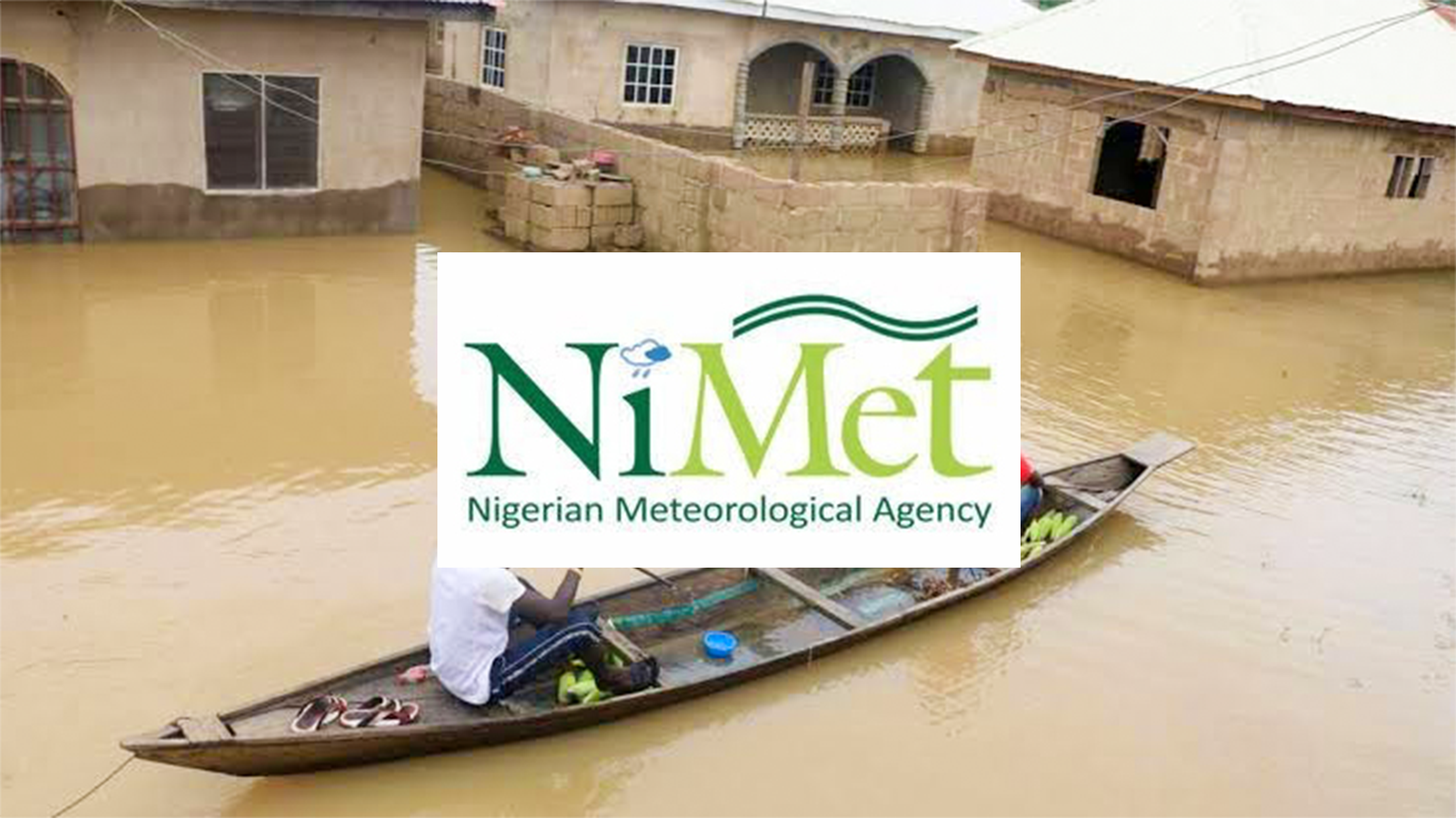
The NiMet flood alert for 13 states has raised fresh concerns about Nigeria’s vulnerability to flash flooding. Issued in August 2026, the advisory highlights Sokoto, Zamfara, Kebbi, Niger, Kaduna, Nasarawa, Adamawa, Plateau, Benue, Kogi, Taraba, Cross River, and Akwa Ibom as high‑risk areas. According to the Nigerian Meteorological Agency (NiMet), residents in low‑lying and riverside communities should prepare for possible flash floods triggered by heavy rainfall.
Why NiMet’s Flood Alert Matters
Flood alerts are not just weather updates; they are early warning tools for disaster risk reduction. NiMet based its outlook on rainfall intensity, soil moisture, drainage capacity, terrain, and dam characteristics. Therefore, the advisory carries direct relevance for communities where flash flooding can develop rapidly.
States Under Flood Risk
The NiMet flood alert for 13 states specifically warns residents in:
- Sokoto, Zamfara, Kebbi, Niger, Kaduna, Nasarawa
- Adamawa, Plateau, Benue, Kogi, Taraba
- Cross River, Akwa Ibom
These states include both northern and southern regions, reflecting the nationwide nature of Nigeria’s flood risk.
Possible Impacts of Flooding
NiMet outlined several consequences:
- Traffic congestion, road closures, and transport disruptions.
- Temporary interruptions to electricity and telecommunications.
- Reduced visibility affecting motorists and aviation.
- Damage to farmlands, crops, and livestock.
- Risks to roads, bridges, and drainage systems.
- Increased exposure to waterborne diseases.
As a result, the flood alert underscores cascading effects on daily life, livelihoods, and infrastructure.
Guidance for Residents
NiMet advised residents to:
- Avoid walking or driving through flooded roads or bridges.
- Stay alert and prepare to move to safer locations.
- Follow weather forecasts and advisories.
- Improve farm drainage and relocate livestock or machinery.
In addition, emergency agencies were urged to strengthen surveillance, pre‑position response teams, and maintain preparedness.
Institutional Response
Flood alert protocols extend beyond households to institutional readiness. Authorities should prioritize vulnerable communities for impact‑based monitoring, public sensitization, and rapid dissemination of warnings. Preparedness must be continuous, not one‑off, because flash floods can develop quickly during intense rainfall.
Calls for Long‑Term Solutions
Northern senators under the Northern Senators’ Forum demanded permanent solutions to recurring flooding in the Shiroro Local Government Area of Niger State. They called for:
- A Shiroro Flood Management Master Plan.
- Flood‑buffer operating strategies for Shiroro, Kainji, and Jebba dams.
- Permanent flood‑forecasting and early‑warning systems.
- Floodplain resettlement programs with compensation and livelihood support.
This aligns with NiMet’s flood alert, which frames Nigeria’s flood risk as both a seasonal weather issue and a long‑term planning challenge.
Property Flood Risk in Nigeria
For property owners, the NiMet flood alert for 13 states reinforces the importance of understanding local drainage, terrain, and proximity to rivers or dams. Property flood risk in Nigeria is elevated in low‑lying and riverside communities. Buyers and owners should factor seasonal flood exposure into location decisions.
Conclusion
The NiMet flood alert for 13 states is a reminder that Nigeria’s flood risk is both immediate and structural. While heavy rainfall can trigger flash floods in vulnerable communities, long‑term solutions such as dam management, resettlement programs, and improved urban planning are essential.
For residents and property owners, preparedness is key. By following advisories, improving drainage, and factoring flood risk into property decisions, Nigerians can reduce exposure and protect livelihoods.


