


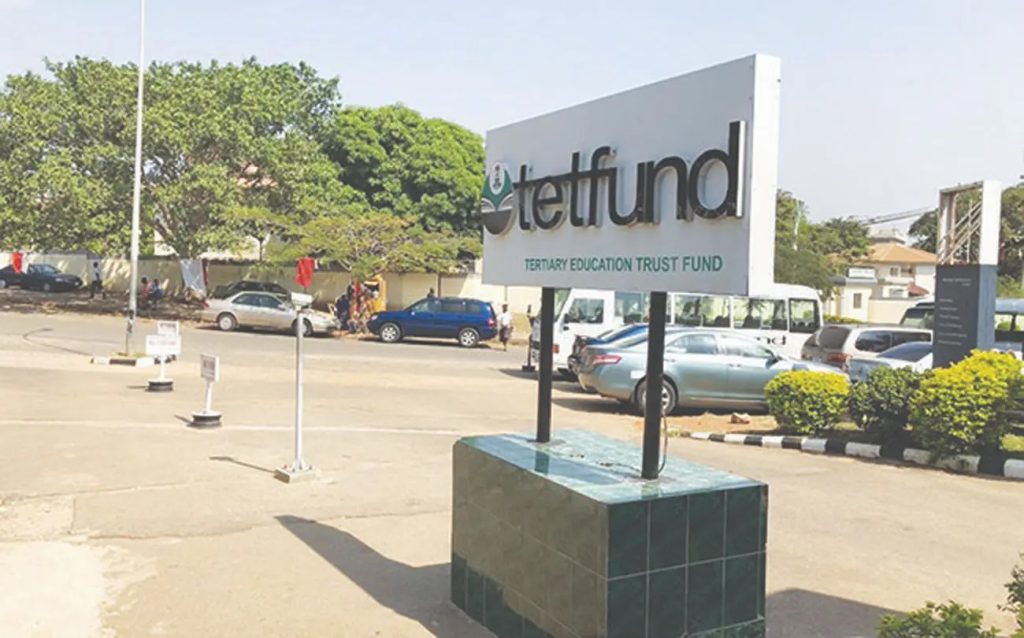
The NANS probe into uncompleted TETFund projects has begun nationwide, raising urgent questions about accountability, transparency, and the effective use of education funds. For decades, the Tertiary Education Trust Fund (TETFund) has financed critical infrastructure in Nigerian universities, polytechnics, and colleges of education. Yet, persistent reports of abandoned projects and poor execution have prompted the National Association of Nigerian Students (NANS) to step in with a 90‑day investigation.
NANS Probe Into Uncompleted TETFund Projects: Why It Matters
Students are the primary beneficiaries of TETFund interventions. Hostels, lecture theatres, laboratories, and libraries funded by TETFund directly impact their learning conditions. The probe matters because:
- It addresses complaints about abandoned hostels and incomplete lecture halls.
- It demands accountability in how billions of naira are spent.
- It ensures transparency in project delivery.
Challenges Facing TETFund Projects in Nigerian Institutions
Despite heavy government investment, several challenges persist:
- Project Abandonment: Contractors leaving sites unfinished.
- Delayed Execution: Projects dragging on for years.
- Substandard Delivery: Poor quality construction.
- Cost Overruns: Rising expenses without improvements.
- Transparency Issues: Weak oversight mechanisms.
Nationwide NANS Probe and Monitoring Committee Activities
NANS has established an Independent TETFund Intervention Project Assessment, Verification, and Monitoring Committee. Its responsibilities include:
- Physical inspections of projects.
- Evaluating construction quality.
- Assessing utilization of completed projects.
- Measuring impact on teaching, learning, and student welfare.
The committee will tour universities, polytechnics, and colleges of education nationwide, gathering firsthand information from students, contractors, and administrators.
Impact of Uncompleted TETFund Projects on Students
Students have repeatedly voiced concerns:
- Overcrowded lecture halls due to incomplete theatres.
- Lack of hostels forcing them into expensive private accommodation.
- Limited access to laboratories and libraries.
These issues directly affect academic performance and student welfare.
Accountability and Transparency in Education Funding
The probe reflects a broader demand for transparency in public spending. Nigerians increasingly expect accountability in how education funds are managed. By independently verifying project status, NANS hopes to:
- Strengthen oversight mechanisms.
- Provide credible data to guide policy decisions.
- Ensure that public funds produce lasting results.
Expected Outcomes of the NANS Probe
At the end of the 90‑day exercise, NANS expects to:
- Identify abandoned and delayed projects.
- Highlight cases of poor execution.
- Recommend corrective measures.
- Provide insights into the overall impact of TETFund interventions.
Broader Implications for Nigerian Education
The probe has significant implications:
- For Students: Better learning conditions if projects are completed.
- For Institutions: Strengthened infrastructure and capacity.
- For Government: Enhanced credibility in managing education funds.
- For Contractors: Greater accountability and pressure to deliver quality work.
Conclusion
The NANS probe into uncompleted TETFund projects is a landmark effort to strengthen accountability in Nigeria’s education sector. By spotlighting abandoned and delayed projects, NANS is ensuring that billions of naira in intervention funds deliver real value to students and institutions.
As Nigeria continues to grapple with higher education challenges, the success of this probe could set a precedent for stronger oversight, better project delivery, and improved learning conditions for generations of students.


