


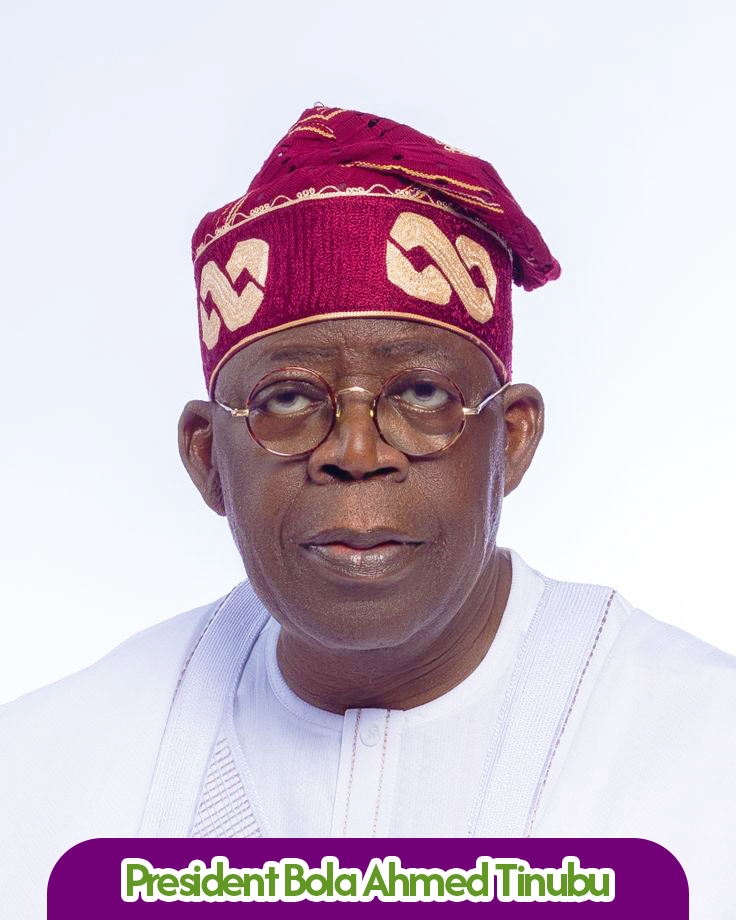
President Bola Ahmed Tinubu has flagged off the construction of the 700‑kilometre Akwanga–Maiduguri Superhighway, approving ₦111 billion to kick‑start work on this strategic corridor. As the fourth Legacy Project under the Renewed Hope Agenda, the superhighway is designed to transform transportation across North‑Central and North‑East Nigeria, linking major commercial centres, agricultural communities, and security corridors.
Project Overview
The superhighway will run through Akwanga, Jos, Bauchi, Gombe, Biu, and Maiduguri, connecting five states: Nasarawa, Plateau, Bauchi, Gombe, and Borno. Construction begins with Section One, Phase One — 125 kilometres from Akwanga to Jos, before extending eastward.
The Federal Government will directly finance 30% of the project, while 70% will be sourced through foreign financing arrangements. Minister of Works, David Umahi, confirmed that the approved ₦111 billion will enable immediate contractor mobilisation.
Strategic Infrastructure Investment
The Akwanga–Maiduguri Superhighway is one of Nigeria’s most ambitious road projects in recent years. Once completed, it will:
- Improve access to markets for farmers and manufacturers.
- Lower transportation costs for businesses.
- Enhance logistics for interstate trade.
- Reduce travel delays that have long hindered regional commerce.
Beyond commerce, the highway will strengthen security operations by providing better road access for emergency responders and security agencies in insurgency‑affected areas.
Concrete Pavement Technology
Unlike traditional asphalt highways, the superhighway will use Continuously Reinforced Concrete Pavement (CRCP) technology.
- Greater durability under heavy traffic.
- Lower maintenance costs.
- Longer lifespan in harsh weather conditions.
Supporting infrastructure will include modern drainage systems, bridges, culverts, and safety features to ensure resilience.
Economic Impact
Infrastructure experts predict significant economic benefits:
- Boosting productivity by connecting northern production hubs to national markets.
- Reducing costs for agriculture, mining, manufacturing, and wholesale trade.
- Creating thousands of direct and indirect jobs during construction.
- Prioritising youth employment and skills acquisition in host communities.
Part of a Nationwide Road Network
The Akwanga–Maiduguri Superhighway is part of a broader federal strategy to connect Nigeria’s six geopolitical zones with high‑capacity road networks. Other flagship projects include:
- Lagos–Calabar Coastal Highway
- Sokoto–Badagry Superhighway
- Calabar–Abuja Superhighway
Together, these projects aim to improve national connectivity, attract investment, and support long‑term growth.
Conclusion
The Tinubu-approved ₦111bn Akwanga–Maiduguri Superhighway project is a transformative step in Nigeria’s infrastructure journey. By linking five states across North‑Central and North‑East Nigeria, the superhighway will reduce travel time, improve trade logistics, and strengthen security operations.
As part of the Renewed Hope Agenda, this fourth Legacy Project demonstrates the Federal Government’s commitment to national integration and economic growth. Once completed, the Akwanga–Maiduguri corridor will stand as one of Nigeria’s most important transport routes, reshaping mobility and opportunity for millions of citizens.


