


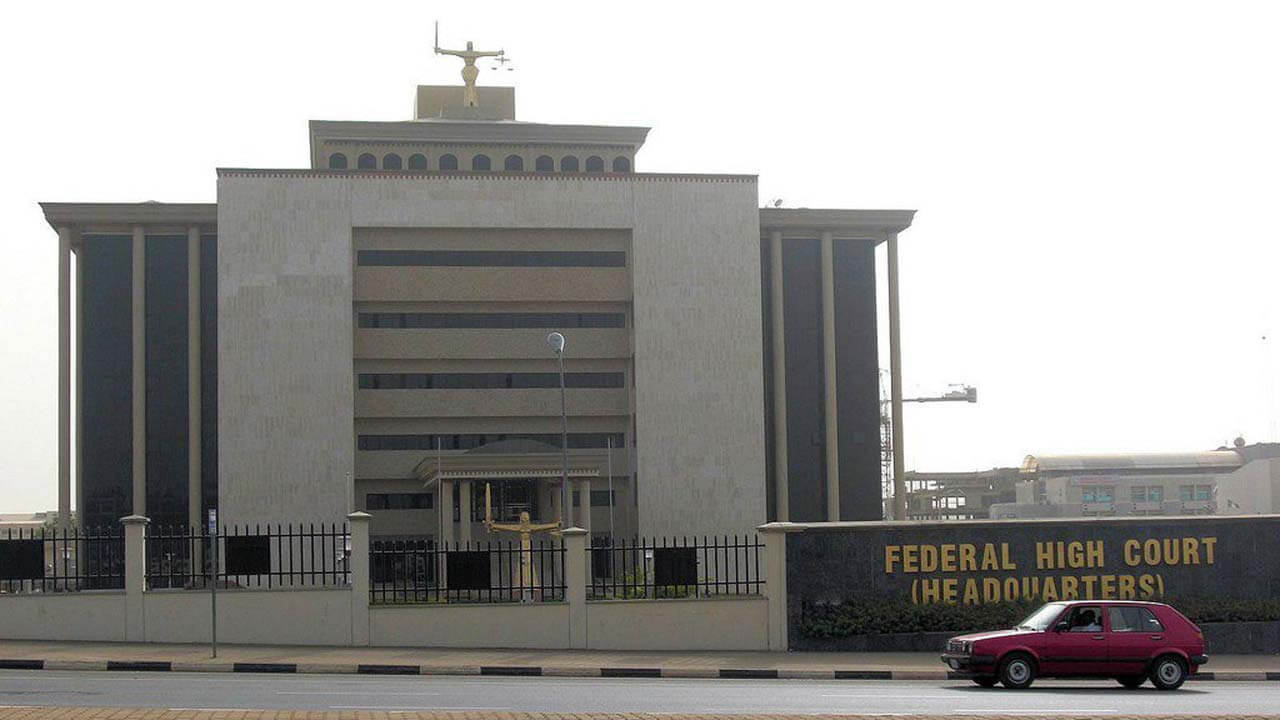
The landmark Nwabuoku asset forfeiture ruling has reshaped Nigeria’s anti‑corruption narrative. On May 13, 2026, the Federal High Court in Abuja ordered the final seizure of assets worth more than ₦2.2 billion linked to Chukwunyere Anamekwe Nwabuoku, the former Acting Accountant‑General of the Federation.
This decisive judgment not only stripped Nwabuoku of a five‑bedroom duplex in Abuja, ₦288 million in cash, and a ₦1.94 billion share portfolio, but it also reinforced the principle that public office cannot serve as a gateway to illicit enrichment. Moreover, the ruling highlights how Nigerian courts are increasingly using asset forfeiture as a direct tool of justice rather than a slow bureaucratic process.
Nwabuoku Asset Forfeiture: Anatomy of Seized Wealth
The forfeited assets reveal the scale and sophistication of illicit wealth accumulation:
- Cash Holdings: ₦288,590,749 traced to accounts belonging to Temeeo Synergy Concept Ltd, Turge Global Investment Ltd, Laptev Bridge Ltd, and Arrafura Transnational Afro Ltd. This included ₦220 million refunded by Nwabuoku into the EFCC Recovery Account at the Central Bank of Nigeria.
- Real Estate: A five‑bedroom duplex at No. 20 City Gate Estate, Kukwaba, Abuja, valued at ₦64 million, plus ₦3 million in infrastructure levies. The property key was voluntarily surrendered as restitution.
- Share Portfolio: The largest component, valued at ₦1.94 billion, included:
- 10 million units in Access Holdings
- 7.5 million units in First Bank of Nigeria Holdings Plc
- 4.5 million units in Guaranty Trust Holding Company
- Over 10 million units in UBA Plc
- Additional shares in Zenith Bank Plc, Dangote Sugar Refinery Plc, Dangote Cement Plc, Cadbury Plc, Berger Paint Nigeria Plc, United Capital Plc, and others.
This extensive portfolio illustrates how public officials often use listed shares and property as wealth‑storage mechanisms.
Court’s Position on Nwabuoku Asset Forfeiture
Nwabuoku’s defence argued that a pending appeal should halt forfeiture. Justice Omotosho dismissed the claim, ruling that forfeiture is part of sentencing and cannot be delayed.
“Forfeiture in this instance is seen as part of the judgment. In fact, it is similar to the sentencing handed down by the court. The aim of it is to stop the convict from enjoying the proceeds of his unlawful activity,” the judge stated.
The court also rejected claims of abuse of process, noting no evidence of parallel proceedings.
EFCC’s Enforcement Drive
The Nwabuoku asset forfeiture ruling reflects EFCC’s intensified enforcement strategy. Just days earlier, former Power Minister Saleh Mamman was sentenced to 75 years for ₦33.8 billion fraud. These cases highlight a broader trajectory where courts are increasingly used as active instruments of asset recovery rather than slow bureaucratic endpoints.
Patterns of Concealment in Nwabuoku Asset Forfeiture
The case illustrates a familiar pattern in Nigerian corruption prosecutions:
- Public office provides an opportunity.
- Shell companies conceal funds.
- Real estate and listed shares serve as vehicles for illicit wealth.
By dismantling all three layers, the forfeiture order strips Nwabuoku of assets accumulated through abuse of office.
Implications of Nwabuoku Asset Forfeiture for Nigeria’s Anti‑Corruption Drive
The ruling carries significant implications:
- Judicial assertiveness: Courts are reinforcing EFCC’s mandate by ensuring swift asset recovery.
- Deterrence: High‑profile forfeitures send a strong message to public officials.
- Transparency: Detailed asset tracing demonstrates EFCC’s investigative capacity.
- Public confidence: Visible disposals of illicit wealth strengthen trust in anti‑corruption institutions.
Broader Context
Nigeria’s anti‑corruption landscape has long been criticized for slow prosecutions and limited asset recovery. Recent rulings suggest a shift toward more decisive judicial action. Analysts note that forfeiture orders are becoming integral to sentencing, ensuring that convictions translate into tangible recoveries for the state.
Conclusion
Ultimately, the Nwabuoku asset forfeiture case demonstrates how Nigeria’s judiciary is becoming more assertive in tackling corruption. By confiscating cash, property, and shares, the court ensured that the proceeds of unlawful activity would no longer benefit the convict. Consequently, this ruling strengthens public confidence in EFCC enforcement and sends a clear deterrent message to other officials tempted to abuse their positions.
Furthermore, the case aligns with a broader trend: courts are now pairing convictions with comprehensive asset disposals. As a result, Nigeria’s anti‑corruption drive is entering a new phase, one where justice is not only pronounced but also materially enforced.


