


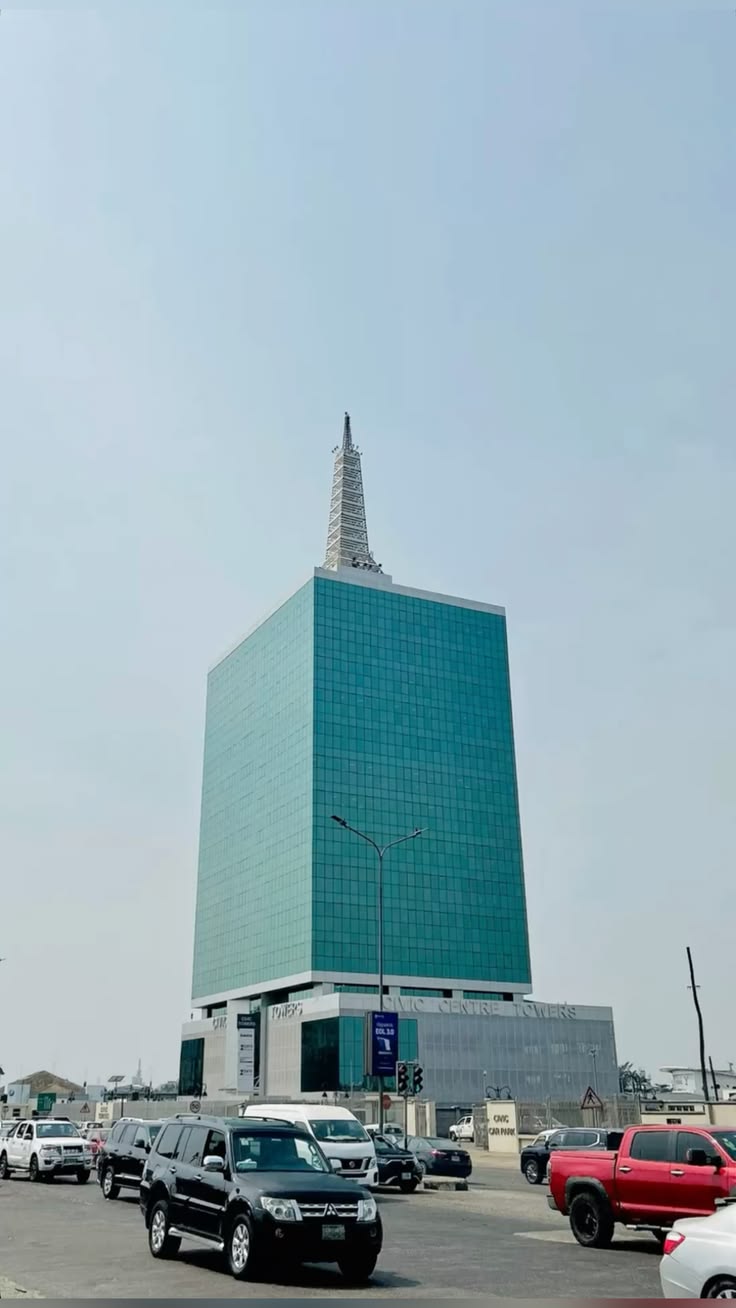
The hidden cost of empty buildings goes far beyond lost rental income. Across Lagos, Abuja, Port Harcourt, Kano, and Ibadan, commercial properties sit vacant for months or even years, displaying “To Let” signs that symbolize deeper economic challenges. According to estate surveyor Segun Ogunseitan, prolonged vacancies affect property values, employment, investment, and surrounding economic activity. Empty buildings are not just idle assets; they represent capital that fails to generate expected productivity.
Why Are Commercial Buildings Remaining Empty?
Vacancies are driven by weaker demand in secondary office and retail markets. Premium locations still attract tenants, but older buildings lacking modern amenities such as reliable electricity, efficient parking, and digital connectivity struggle to remain competitive. Inflation and reduced consumer spending further pressure retailers, making it harder to sustain expensive leases.
Oversupply and Market Shifts
During periods of optimism, developers built large office complexes and malls. However, exchange‑rate volatility, inflation, and weaker business confidence reduced demand. Oversupply now forces landlords to compete fiercely, offering rent discounts and flexible leases, yet many properties remain under‑occupied.
Changing Work Patterns
The COVID‑19 pandemic accelerated hybrid and remote work. Financial institutions, tech firms, and consulting companies discovered they could operate with fewer permanent offices. Demand has shifted toward serviced offices, co‑working spaces, and flexible leasing, leaving traditional large office blocks struggling.
E‑Commerce and Retail Transformation
Digital platforms and e‑commerce have reshaped retail property. Many businesses now combine smaller physical showrooms with online sales and delivery. Consumers compare prices online before visiting stores, reducing the need for large retail footprints. Landlords who fail to adapt risk prolonged vacancies.
Poor Property Management
Vacancies are also linked to inadequate maintenance. Buildings with unreliable electricity, insufficient parking, outdated services, or poor environmental conditions drive tenants away. Modern occupiers prioritize efficiency, employee comfort, and sustainability.
Financial Consequences
Empty buildings lose value as rental income declines while maintenance costs persist. Investors revise expectations, weakening capital value. Financial institutions face increased credit risks when properties used as collateral lose value. Pension funds and insurers also suffer weaker returns from persistently vacant assets.
Wider Economic Costs
Vacant buildings reduce employment for security staff, cleaners, and facility managers. They lower government revenue from property taxes and weaken neighborhood commercial activity. Prolonged vacancies can lead to deterioration, vandalism, and declining urban attractiveness.
Adaptive Reuse: A Possible Solution
One strategy is adaptive reuse: repurposing empty buildings into residential apartments, student housing, hotels, healthcare facilities, or innovation hubs. Nigeria could adopt this approach, especially in central business districts facing housing shortages. Mixed‑use developments combining offices, retail, and residential units could provide resilience.
Planning Flexibility and Policy Support
For adaptive reuse to succeed, planning rules must evolve. Zoning regulations designed for past conditions need flexibility to accommodate new uses. Government investment in infrastructure, electricity, transport, broadband, and security remains critical. Tax incentives could encourage refurbishment and energy efficiency upgrades.
Rethinking Commercial Property Development
Developers must plan for actual demand, not just historical patterns. Feasibility studies should assess long‑term occupancy stability, tenant quality, and adaptability. Modern occupiers increasingly seek flexible, sustainable, and technologically enabled spaces.
Conclusion
The hidden cost of empty buildings in Nigeria is profound. Vacancies weaken property values, reduce employment, discourage investment, and erode urban productivity. Oversupply, changing work patterns, e‑commerce, and poor property management all contribute to the challenge.
Yet, opportunities exist. Adaptive reuse, flexible planning, and modernized property management can transform idle assets into productive spaces. For Nigeria’s real estate sector, the future lies in building for actual demand, embracing innovation, and ensuring that every structure contributes to economic growth.


