


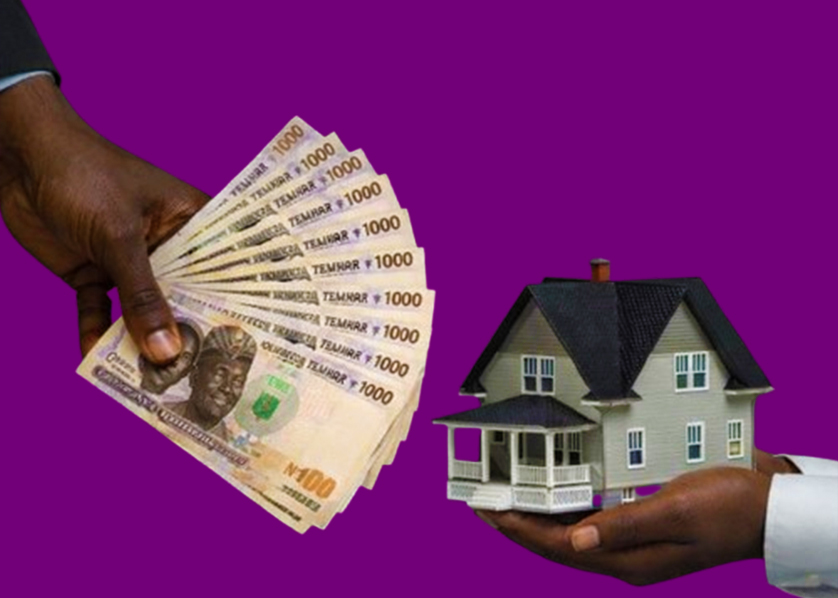
Nigeria’s housing market has always been a reflection of its broader economic realities. In recent years, however, the surge in rental prices has reached unprecedented levels, leaving many households struggling to keep up. From Lagos to Abuja, rents have risen by 15–20% annually, creating affordability gaps not seen in over a decade. This blog explores the drivers behind this spike, its impact on everyday Nigerians, and practical examples of how tenants and landlords are navigating the crisis.
Why Rents Are Rising So Sharply
-
Inflation and Building Costs
Nigeria’s inflationary pressures have been relentless. The cost of cement, iron rods, and other building materials has skyrocketed, pushing construction costs higher. Developers pass these costs onto tenants, resulting in steep rent hikes.
Example: In Lagos, a two-bedroom apartment in Surulere that rented for ₦800,000 in 2023 now goes for ₦1.2 million in 2026. The landlord cites rising cement prices and increased labor costs as justification.
-
Population Growth and Urbanization
Nigeria’s population is expanding rapidly, with urban centers like Lagos, Abuja, and Port Harcourt absorbing thousands of new residents each year. Demand far outpaces supply, creating a classic case of scarcity-driven price escalation.
Example: Abuja’s Gwarinpa Estate, once considered affordable, now sees annual rent increases of 15%. Young professionals moving into the city for government or corporate jobs compete fiercely for limited housing stock.
-
Diaspora Investments and Luxury Developments
Diaspora Nigerians investing in real estate often prioritize high-end developments. While this boosts construction activity, it skews the market toward luxury apartments, leaving middle-income earners priced out.
Example: In Lekki Phase 1, “The Zenith” high-rise apartments attract diaspora buyers who rent units at ₦6–8 million annually. This benchmark pushes surrounding landlords to raise rents, even for less luxurious flats.
Housing reforms remain inconsistent. While some initiatives aim to expand affordable housing, bureaucratic delays and weak enforcement mean the rental market continues to operate with minimal regulation.
The Human Impact of Rising Rents
-
Middle-Class Squeeze
The Nigerian middle class, already burdened by rising food and fuel costs, now faces housing as its biggest expense. Many families are forced to downsize or relocate to less desirable neighborhoods.
Example: A banker in Victoria Island earning ₦500,000 monthly spends nearly half his income on rent. To cope, he moved his family to Ajah, enduring longer commutes but saving ₦1.5 million annually.
-
Informal Housing Growth
Unable to afford formal rentals, many Nigerians turn to informal settlements. This exacerbates overcrowding and strains infrastructure.
Example: In Lagos’s Makoko community, new arrivals from rural areas build makeshift homes on stilts over the lagoon, highlighting the widening gap between formal housing supply and actual demand.
-
Rising Homelessness Risk
Students and low-income workers are particularly vulnerable. With rents rising faster than wages, many resort to shared housing or even temporary shelters.
Example: University students in Abuja increasingly share one-bedroom flats among four or five people, splitting ₦1 million annual rent to make it manageable.
Coping Strategies for Tenants
-
Co-Living Arrangements
Shared housing is becoming more common, especially among young professionals. Platforms now connect tenants looking to split costs.
Example: In Yaba, Lagos, tech workers share three-bedroom apartments, each paying ₦400,000 annually instead of ₦1.2 million individually.
-
Negotiating Flexible Payment Plans
Some landlords now accept quarterly or biannual payments instead of lump-sum annual rent, easing tenant cash flow.
Example: A landlord in Ikeja allows tenants to pay ₦250,000 quarterly, making rent more manageable for salaried workers.
-
Moving to Satellite Towns
Satellite towns like Mowe (Ogun State) and Lugbe (Abuja) offer cheaper rents, though at the cost of longer commutes.
Example: Families priced out of Lagos mainland relocate to Mowe, where a two-bedroom flat costs ₦400,000 annually compared to ₦1 million in Surulere.
-
Employer-Supported Housing
Some companies now provide housing allowances or staff quarters to retain talent.
Example: Oil firms in Port Harcourt offer subsidized housing, covering up to 60% of rent for employees.
What Can Be Done?
-
Government Intervention
- Affordable Housing Schemes: Expand initiatives targeting low- and middle-income earners.
- Rent Control Policies: Introduce caps on annual rent increases in high-demand areas.
-
Private Sector Innovation
- Co-Living Startups: Encourage platforms that match tenants for shared housing.
- Flexible Financing: Banks could offer rent loans repayable monthly, easing tenant burdens.
-
Diaspora Engagement
Channel diaspora investments into affordable housing projects, not just luxury developments.
Conclusion
The spike in housing rent in Nigeria is more than an economic issue, it’s a social crisis reshaping urban life. Inflation, population growth, and policy gaps have converged to make housing increasingly unaffordable. Yet, practical coping strategies from co-living to relocation show resilience among Nigerians. For lasting change, however, government and private sector collaboration is essential to rebalance the market.


