


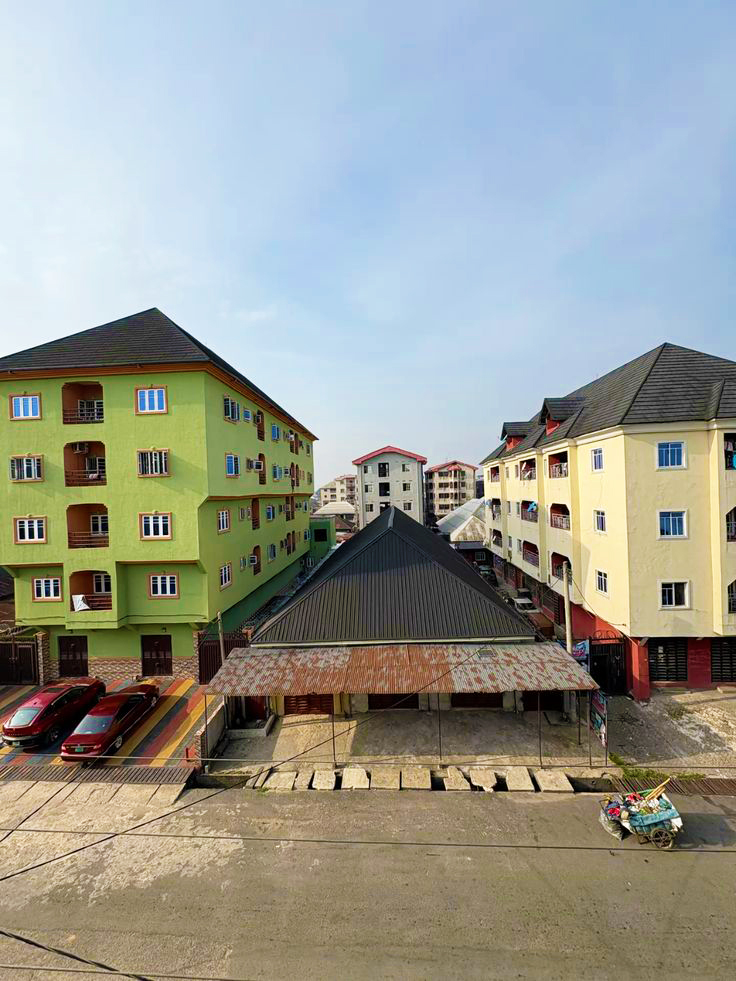
Nigeria’s rental market is in crisis. Across major cities, tenants are struggling to keep up with surging rents, leading to defaults, relocations, and growing anxiety among households. In Lagos, the country’s commercial hub, affordability pressures are pushing many renters further into the suburbs, where housing costs remain relatively lower.
The Rental Squeeze
In the city center, rents have doubled in just a few years. A self‑contained apartment that cost ₦400,000 annually now goes for ₦800,000–₦1.5 million. In upscale neighborhoods like Victoria Island, Lekki Phase 1, and Oniru, a two‑bedroom apartment averages ₦530,000 per month—about ₦6.4 million per year.
These increases are not unique to Lagos. Cities such as Kano, Enugu, Aba, and Port Harcourt are also experiencing sharp rent hikes. The result is a wave of defaults, as tenants who want to remain close to workplaces find themselves unable to meet new demands.
Moving Outward for Relief
A recent report by Estate Intel, a market intelligence platform, highlights suburbs where rents remain within reach for middle‑income earners. The analysis assumes renters can commit 15–20% of annual income to housing, with monthly earnings ranging from ₦67,000 to ₦356,000 depending on occupation.
The report identifies several affordable areas:
- Ojo
- Ikorodu
- Alagbado
- Agege
- Ijaiye
- Agric
- Ikotun
- Abule Egba
- Lakowe
- Epe
- Ojodu Berger
- Bariga
- Isolo
- Oyingbo
- Egbeda
- Oshodi
These locations, mostly on the outskirts of Lagos, offer rents that are significantly lower than in the city center.
What Renters Pay in the Suburbs
- In Ojo, a two‑bedroom apartment costs ₦400,000–₦500,000 per year.
- In Ikotun Egbe, a one‑room self‑contained apartment is ₦250,000–₦350,000 annually, depending on the building’s age and facilities.
- In Abule Egba and Agege, rents remain below ₦500,000 for modest apartments.
These figures contrast sharply with central Lagos, where rents for similar units are several times higher.
Why Suburbs Are Cheaper
Estate Intel notes that proximity to office areas and city centers drives up costs. Lagos Island, for example, is a traditional office hub with older residential buildings, yet rents remain high due to location. Suburbs, by contrast, are farther from workplaces and commercial districts, making them less desirable but more affordable.
The Trade‑Offs
Moving to the suburbs offers relief but comes with challenges:
- Longer commutes: Tenants may spend hours in traffic daily.
- Higher transport costs: Savings on rent can be offset by commuting expenses.
- Limited amenities: Infrastructure and services may lag behind central areas.
- Distance from workplaces: Proximity to jobs remains a priority for many renters.
Despite these trade‑offs, affordability is driving migration outward. For households squeezed by rising rents, suburbs provide a lifeline.
Broader Market Implications
The rental crisis reflects broader dynamics in Nigeria’s real estate sector:
- Urbanization pressures: Lagos’ population continues to grow, fueling demand.
- Asset inflation: Rising property values push rents higher.
- Income stagnation: Wages have not kept pace with housing costs.
- Housing deficit: Nigeria faces a shortage of over 20 million units, worsening affordability.
These factors combine to create a market where central locations are increasingly out of reach for average earners.
The Human Impact
For tenants, the crisis is personal. Defaults are rising, families are relocating, and quality of life is affected. Many renters must choose between staying close to work and paying unsustainable rents, or moving farther out and enduring long commutes.
The suburbs offer a compromise: lower rents, but at the cost of convenience. For some, this trade‑off is manageable; for others, it is a source of daily stress.
Policy Considerations
Experts argue that addressing the rental crisis requires:
- Affordable housing initiatives: Government and private developers must deliver low‑cost units.
- Infrastructure investment: Improving transport links can make suburbs more viable.
- Rent regulation: Policies to curb excessive increases could protect tenants.
- Income growth: Raising wages would help households cope with rising costs.
Without intervention, the crisis may deepen, pushing more families into precarious housing situations.
Conclusion
Lagos’ rental market illustrates the tension between urban growth and affordability. While the city center becomes increasingly unaffordable, suburbs like Ojo, Ikotun, and Abule Egba provide relief for renters. Yet the trade‑offs—long commutes, limited amenities, and distance from workplaces—highlight the need for systemic solutions.
Affordable housing, better infrastructure, and supportive policies are essential to ensure that Lagos remains livable for its growing population. For now, the suburbs are the refuge for renters seeking relief, but the long‑term answer lies in bridging the gap between demand, affordability, and supply.


