


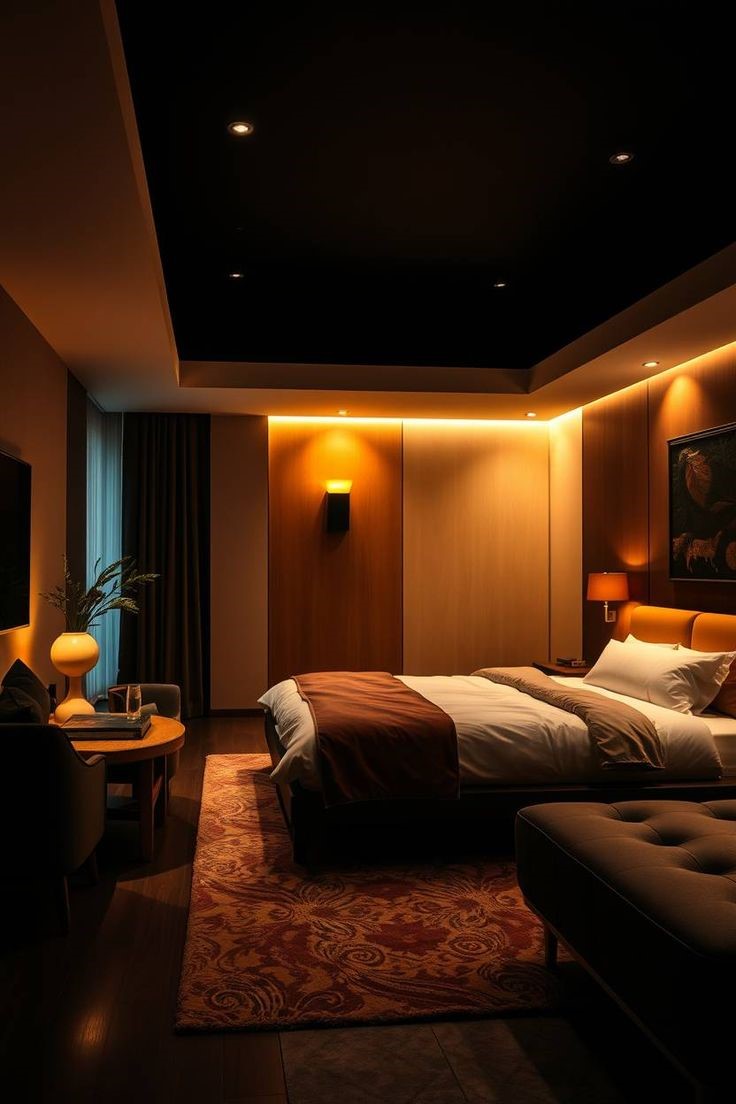
Banana Island, Lagos’ most exclusive waterfront enclave, continues to set the pace in Nigeria’s real estate market. Known for its high‑end lifestyle, security, and luxury architecture, the island has become a symbol of wealth and prestige. But what does it really cost to spend a night in one of its short‑let apartments?
According to the Lagos Short‑Let Market Report 2025 by Edala Development, the average nightly rate for a Banana Island short‑let apartment reached ₦329,000 in 2025. This figure underscores the enclave’s premium status, where demand drivers include waterfront proximity, modern interiors, and advanced smart‑home features.
Premium Pricing Power
Despite fluctuations in demand, Banana Island has maintained strong pricing power. The report noted an average occupancy rate of 51%, which, while modest, reflects the enclave’s ability to command premium rents due to its reputation as one of Lagos’ most secure and exclusive districts.
Chudi Ubosi, Principal Partner at Ubosi Eleh & Co, explained that Banana Island properties generally command premium prices. He cited a well‑finished duplex renting for between ₦80 million and ₦100 million per annum, while land prices start from ₦3.05 million per square metre.
Short‑Let Inventory: Bigger Is Better
The report revealed that three‑bedroom apartments dominate the short‑let inventory, accounting for 48% of listings. Two‑bedroom units make up 25%, while one‑bedroom apartments represent 19%. This suggests that guests prefer larger accommodation options, a trend that contrasts with other Lagos locations where smaller units are more popular.
Revenue potential is strongest for larger luxury properties. Five‑bedroom apartments command average nightly rates of ₦479,000, translating into annual revenues of about ₦88.4 million. By comparison, one‑bedroom units average ₦193,000 per night, generating approximately ₦35.7 million annually.
Guest Booking Patterns
Guest behavior also reflects the enclave’s unique market dynamics:
- 53% of guests book for a single night, often for leisure or business stopovers.
- 21% stay for two nights, typically for short business trips.
- 8% stay between seven and 29 nights, reflecting demand from expatriates and executives using Banana Island as a temporary residence.
This mix of short and medium‑term stays highlights the enclave’s appeal to both leisure travelers and corporate clients.
The Ban on Short‑Lets
Despite the strong revenue potential, Banana Island’s short‑let market faces a major challenge. In February 2026, the Banana Island Property Owners and Residents Association (BIPORAL) banned short‑let and Airbnb‑style rentals, citing security breaches and lifestyle concerns.
The ban followed a raid at George Residences on Femi Pedro Street, which raised alarm among residents. BIPORAL argued that short‑lets were inconsistent with the enclave’s high‑end lifestyle and posed risks to community security.
This decision has significant implications for investors and property owners who rely on short‑let revenues. While the ban may protect residents’ privacy and security, it restricts one of the most lucrative segments of the Lagos real estate market.
Banana Island in Context
Banana Island’s short‑let market differs sharply from other Lagos neighborhoods. In areas like Lekki Phase 1 or Victoria Island, demand favors smaller units such as studios and two‑bedroom apartments. Prices are lower, but occupancy rates are higher, reflecting broader affordability.
Banana Island, by contrast, thrives on exclusivity. Larger apartments and duplexes dominate, and nightly rates are significantly higher. This makes the enclave attractive to investors seeking premium returns, but also vulnerable to regulatory changes like the short‑let ban.
The Economics of Luxury
The economics of Banana Island short‑lets highlight the tension between exclusivity and accessibility:
- High nightly rates ensure strong revenue potential.
- Moderate occupancy reflects limited demand at such prices.
- Guest preferences for larger units drive inventory composition.
- Regulatory restrictions threaten market sustainability.
For investors, the challenge is balancing revenue potential with regulatory risk. For residents, the priority is maintaining security and lifestyle standards.
Broader Implications for Lagos Real Estate
Banana Island’s short‑let market illustrates broader trends in Lagos real estate:
- Luxury demand remains strong, driven by expatriates, executives, and high‑net‑worth individuals.
- Short‑let markets are growing, but face regulatory scrutiny.
- Revenue potential is highest in premium enclaves, but affordability limits occupancy.
- Community concerns about security may shape future policies.
These dynamics suggest that while short‑lets offer lucrative opportunities, they are not without risks. Investors must navigate both market forces and community regulations.
Conclusion
Spending a night in Banana Island is not just about accommodation, it is about experiencing Nigeria’s most exclusive lifestyle. At ₦329,000 per night, short‑let apartments reflect the enclave’s premium status, driven by waterfront views, smart‑home features, and luxury design.
Yet, the market faces challenges. Occupancy rates remain modest, guest stays are short, and regulatory bans threaten sustainability. For investors, Banana Island offers strong revenue potential but requires careful risk management. For residents, the priority is preserving security and exclusivity.
Banana Island’s short‑let story is ultimately about the balance between luxury and regulation, exclusivity and accessibility. It is a reminder that in Lagos’ dynamic real estate market, premium pricing power comes with both opportunities and challenges.


