


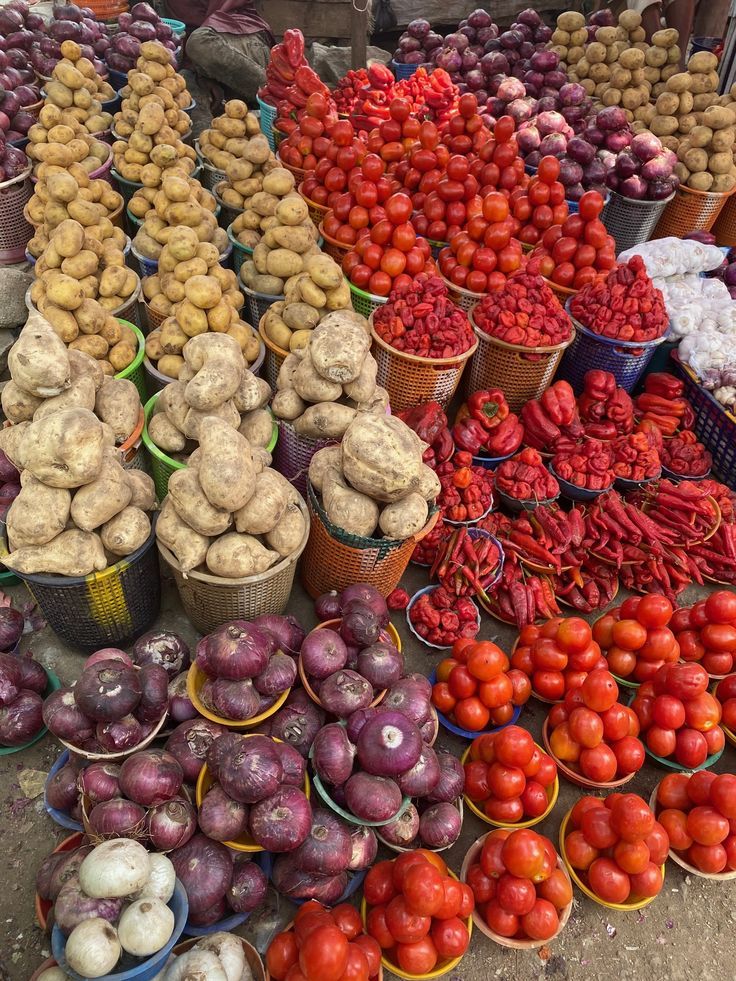
Easter is traditionally a season of joy, family gatherings, and feasting across Nigeria. Yet in 2026, the mood is subdued. Rising transportation and production costs have tightened supply chains, sending food prices soaring just as households prepare for the festivities. What should have been a season of celebration has become a lesson in budgeting, as families scale back spending to cope with the erosion of their income’s value.
The Easter Basket: A Lighter Load
At Lagos’ Mile 12 Market, one of the country’s largest food hubs, the price hikes are steep. A big basket of tomatoes has risen by 46%, now averaging ₦60,000, up from ₦41,000 in early March. A bag of fresh pepper has surged by 74%, climbing to ₦80,000 from ₦46,000 just weeks earlier.
Staples are not spared. A 50kg bag of rice sells for around ₦61,000, up from ₦56,000 in January, while a carton of chicken has jumped to ₦54,000 from ₦50,000. For many households, the Easter basket looks significantly lighter this year.
Voices from the Market
Victoria Ada, a retired school teacher in Lagos, captures the frustration:
“Every day you go to the market, food prices have risen. One cannot adequately plan with a fixed income.”
She recalls buying a kilo of frozen chicken for ₦5,500 two weeks ago; today it costs ₦6,000. For families like hers, Easter celebrations are overshadowed by uncertainty.
Shop managers echo the sentiment. Oluwaseun Okiki notes that sales are unusually slow:
“Usually by this time, people would have started buying drinks against the weekend when Easter is celebrated, but so far, that is not the case. Sales are still like nothing is happening.”
Fuel Prices and Global Tensions
The sharp rise in food prices is driven by higher fuel costs. Petrol prices in Nigeria now hover around ₦1,300 per litre, the highest since 2022. The surge is linked to global oil market disruptions, particularly heightened tensions between the United States and Iran around the Strait of Hormuz.
As crude prices spike, transportation costs rise. Petrol‑reliant vehicles ferry agricultural products from rural farms to urban markets, and truck drivers raise fares each time fuel prices climb. The result is a direct pass‑through to food prices.
Frozen food traders like Mummy Amoke are struggling:
“I cannot even buy turkey from the market because the price is so high. A carton ranges around ₦100,000. How do I sell and make profits at the same time?”
Reverse in Food Inflation
At the start of 2026, food inflation appeared under control. The National Bureau of Statistics (NBS) reported a drop to 8.89% in January, the first single‑digit figure since May 2015.
But the US‑Iran conflict in February reversed those gains. By February 2026, food inflation had risen to 12.12%, erasing earlier progress.
What Fuel Rise Means for Food Prices
Ayodeji Balogun, Group CEO at AFEX, explained at a BusinessDay conference:
“The impact of logistics for every bag of produce coming from the North that you buy in Lagos is about 15 percent. However, with mechanised farming in the South, we can boost production and produce jobs.”
His remarks highlight the structural link between fuel and food. Each rise in petrol prices cascades through the supply chain, inflating costs for consumers.
The Human Impact
For many Nigerians, Easter has become less about celebration and more about survival. Families are scaling back traditions, buying fewer drinks, meats, and staples. Traders report sluggish sales, while households lament shrinking purchasing power.
The festive season, once marked by abundance, is now characterized by restraint. Interviews reveal indifference toward Easter, with many seeing it only as a work break rather than a time of joy.
Structural Drivers of Food Inflation
Beyond fuel, several structural issues compound Nigeria’s food price crisis:
- Inflationary pressures: Rising borrowing costs and currency devaluation push up production expenses.
- Supply chain inefficiencies: Poor logistics and reliance on petrol‑powered transport amplify costs.
- Global shocks: International conflicts disrupt oil flows, raising fuel prices worldwide.
- Limited mechanisation: Heavy reliance on manual farming reduces productivity and raises costs.
Policy Implications
Nigeria’s food inflation story underscores the need for urgent policy interventions:
- Invest in mechanised farming to reduce reliance on petrol‑driven logistics.
- Expand local production to ease dependence on imports vulnerable to global shocks.
- Improve storage and distribution to cut waste and stabilize supply.
- Support households through targeted subsidies or social programs during festive seasons.
Conclusion
Easter 2026 reveals the fragility of Nigeria’s food system. Rising fuel costs, global tensions, and structural inefficiencies have combined to dampen the festive mood. For households, it is a season of budgeting rather than celebration. For policymakers, it is a wake‑up call to address the deep links between energy and food.
Until these challenges are resolved, Nigerians may continue to face subdued celebrations, where joy is tempered by the harsh realities of survival.


