


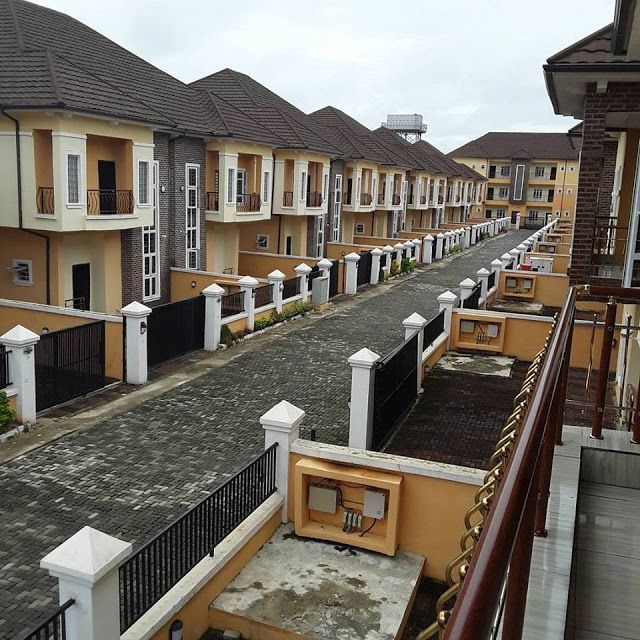
Nigeria’s housing sector has long been plagued by a paradox: immense opportunity on one hand, and a deep, persistent deficit on the other. With millions of housing units lacking, the demand for innovative financing solutions has never been greater. At the same time, Nigerians in the diaspora remit billions of dollars annually to support families and invest back home. Yet, much of this financial lifeline remains outside structured investment channels, often lost to consumption or informal real estate transactions fraught with risks.
The Diaspora Mortgage Loan initiative, spearheaded by the Federal Mortgage Bank of Nigeria (FMBN) in collaboration with the Nigerians in Diaspora Commission (NiDCOM), seeks to bridge this gap. By transforming diaspora remittances into structured capital, the scheme promises to accelerate housing delivery, strengthen Nigeria’s mortgage market, and create a sustainable pipeline of foreign exchange inflows.
This blog post explores the initiative in depth, its structure, benefits, challenges, and broader implications for Nigeria’s economy and diaspora communities worldwide.
Economic Impact of Diaspora Mortgage Nigeria
Nigeria faces an estimated housing gap running into millions of units. Urbanization, population growth, and rising demand for affordable housing have outpaced supply. Developers often hesitate to build at scale due to financing constraints and uncertainty about buyer demand.
The result is a housing market characterized by:
- High demand but low supply
- Fragmented financing channels
- Reliance on informal transactions
- Limited access to affordable mortgages
This deficit not only affects living standards but also hampers economic growth, as housing construction has strong multiplier effects across industries such as cement, steel, transportation, and labor.
Diaspora Mortgage Nigeria vs. Traditional Mortgage Models
According to data, Nigerians abroad, estimated at between 17 and 20 million, remitted $20.1 billion in 2024 alone. This figure excludes unrecorded sums sent through informal channels.
Traditionally, these remittances have served as a lifeline for households, funding education, healthcare, and consumption. However, without structured frameworks, much of this capital remains fragmented and inefficiently deployed. Informal real estate investments often suffer from fraud, lack of documentation, and abandoned projects.
Harnessing even a fraction of these remittances for structured housing finance could generate inflows running into tens of billions of naira monthly, far exceeding traditional domestic mortgage funding sources.
The Diaspora Mortgage Loan: Structure and Features
The National Housing Fund Diaspora Mortgage Loan is designed to provide Nigerians abroad with a secure pathway to homeownership without requiring their physical presence.
Key Features:
- Eligibility: Nigerians in the diaspora aged 18 and above register via a digital platform.
- Verification: Conducted in partnership with NiDCOM to ensure credibility.
- Contributions: Monthly payments in foreign currency ($100–$200 depending on income) for at least 12 months.
- Loan Access: Up to ₦100 million through accredited Primary Mortgage Banks.
- Interest Rate: Single-digit, 9% interest with a maximum tenor of 10 years.
- Equity Contribution: Minimum of 10% of property value.
- Safeguards: Funds disbursed directly to verified developers; properties serve as collateral and are insured.
- Repayment: Made in naira, with flexible options (monthly, quarterly, annual).
- Digital Backbone: The entire process from registration to repayment is conducted online.
This structure addresses trust issues, reduces fraud risks, and ensures transparency.
Economic Implications
The Diaspora Mortgage Loan is more than a housing product; it is a strategic financial instrument.
1. Foreign Exchange Stability
By denominating contributions in foreign currency, the scheme creates a reliable inflow mechanism that supports macroeconomic stability. Unlike volatile portfolio investments, diaspora funds are resilient, driven by family ties and long-term planning.
2. Stimulating Housing Supply
Pre-qualified diaspora contributors create a pool of ready buyers, reducing uncertainty for developers and encouraging large-scale projects in cities like Lagos, Abuja, Port Harcourt, and Kano.
3. Multiplier Effects
Housing construction stimulates industries such as cement, steel, and transportation, driving job creation and boosting GDP.
4. Identity and Legacy
For diaspora Nigerians, owning property back home is about more than investment—it is about identity, belonging, and legacy. The scheme provides a structured pathway to maintain roots in Nigeria.
Digital Transformation in Housing Finance
A defining feature of the scheme is its digital backbone. Through an integrated online platform, diaspora Nigerians can:
- Register and verify identity.
- Make contributions in foreign currency.
- Upload documents
- Track accounts
- Apply for loans remotely.
This digital framework enhances transparency, reduces bureaucratic delays, and aligns with global fintech innovation trends.
Stakeholder Perspectives
While the initiative has been widely praised, stakeholders have expressed mixed reactions.
- Femi Oyedele (Estate Surveyor & Valuer) argues that diaspora-driven housing investments are largely profit-oriented and may not solve Nigeria’s housing challenges. He stresses the need for a needs-based approach focused on residents within Nigeria.
- Tony Kolawole (Chairman, Lagos State Real Estate Developers Association) acknowledges the potential but calls for reforms to simplify mortgage processes and provide infrastructure support to developers. He emphasizes that cumbersome procedures hinder access to mortgages for both diaspora and local Nigerians.
These perspectives highlight the importance of balancing diaspora investment with domestic housing needs.
Challenges and Concerns
Despite its promise, the Diaspora Mortgage Loan faces several challenges:
- Accessibility for Low-Income Nigerians: Critics argue that the scheme may not address the housing needs of low-income Nigerians, focusing instead on diaspora investors seeking guesthouses or investment properties.
- Complex Mortgage Processes: Cumbersome procedures and documentation requirements could discourage participation.
- Infrastructure Deficits: Developers often bear the burden of providing roads and utilities, increasing property costs.
- Awareness and Trust. Aggressive awareness campaigns are needed to build trust among diaspora communities who have faced fraud in the past.
Policy Alignment and Future Outlook
The initiative aligns with President Bola Tinubu’s vision of economic diversification and expanded access to affordable housing. By leveraging diaspora remittances as structured funding, the scheme supports the delivery of mass housing and creates sustainable non-oil revenue streams.
To fully realize its potential, FMBN must:
- Strengthen partnerships with credible developers.
- Simplify mortgage processes
- Enhance digital platforms
- Ensure policy consistency and regulatory support.
If effectively implemented, the Diaspora Mortgage Loan could evolve into one of Nigeria’s most impactful financial innovations, expanding access to homeownership, strengthening the mortgage market, and accelerating housing delivery.
Conclusion
The Diaspora Mortgage Loan represents a bold attempt to harness the financial power of millions of Nigerians abroad. By transforming remittances into structured housing finance, the scheme offers a pathway to homeownership, economic growth, and stronger diaspora ties.
Yet, its success will depend on addressing challenges of accessibility, trust, and infrastructure. For Nigeria to truly solve its housing deficit, policies must balance diaspora investment with the needs of low-income residents.
If executed effectively, this initiative could become a cornerstone of Nigeria’s housing finance ecosystem, a lasting bridge between the nation and its global citizens.


