


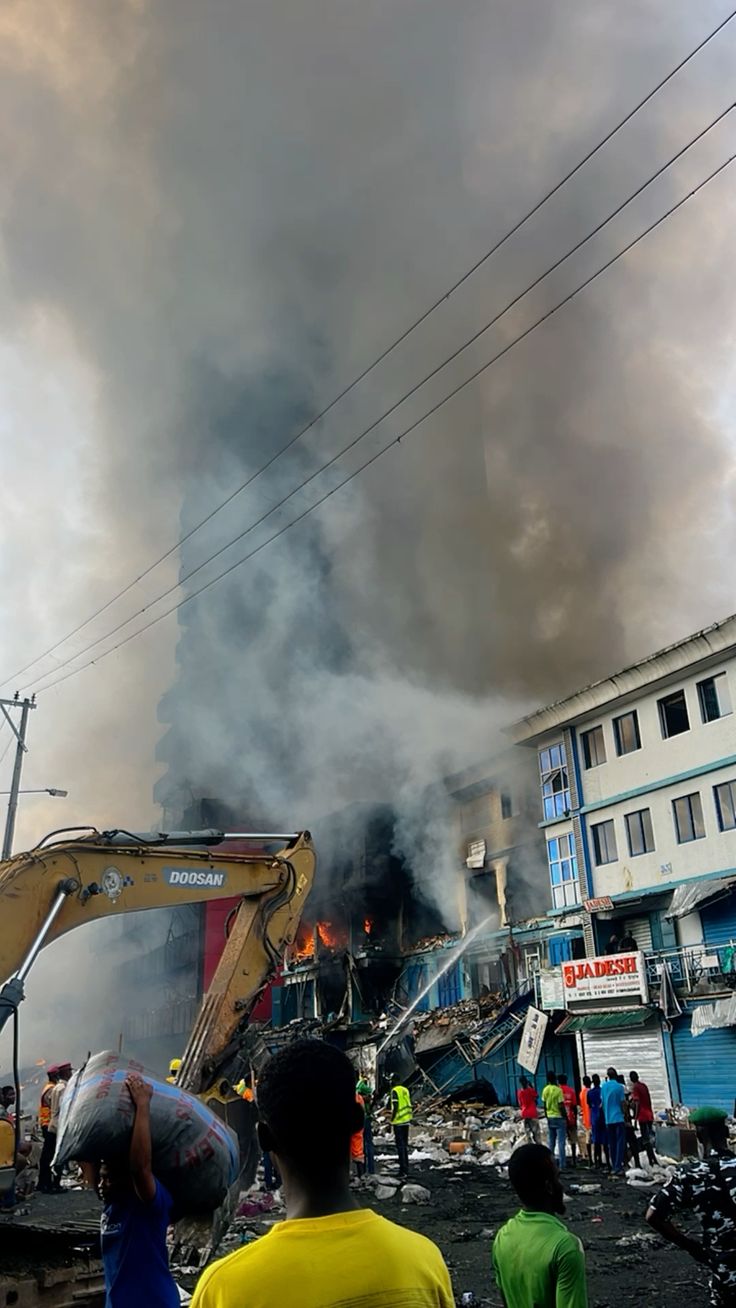
Between January and September 2026, Lagos State recorded 1,324 emergency incidents, with fire outbreaks accounting for a staggering 1,135 cases. According to the Lagos State Fire and Rescue Service’s third‑quarter activity report, property worth ₦92.68 billion was affected, including ₦79.44 billion saved and ₦13.24 billion lost. These figures place Lagos fire incidents at the center of an urgent conversation about property protection, building maintenance, and the safety of residents and businesses in Nigeria’s commercial capital.
Fire Incidents Dominate Lagos Emergencies
Fire calls represented 86% of all emergencies. Other incidents included 79 rescue calls, 100 salvage operations, nine building collapses, and one gas‑related explosion. Emergency personnel rescued 210 people alive, while 65 suspected fatalities were recovered. These statistics highlight the scale of Lagos’s fire risk and the importance of preparedness in a city with dense residential, commercial, and industrial developments.
Economic Impact of Lagos Fire Incidents
The financial consequences of fire extend beyond repair costs. Outbreaks can destroy inventory, damage neighboring properties, displace tenants, and interrupt commercial activity. For landlords and investors, the ₦92.68 billion figure underscores the economic exposure of property assets in Lagos.
Causes and Risk Factors
Dry season conditions, electrical faults, overloaded sockets, unsafe cooking practices, poorly maintained generators, and improper fuel storage all contribute to Lagos fire incidents. Preventive maintenance and effective emergency arrangements are critical to reducing risks.
Residential Property Risks
Multi‑storey apartment blocks present unique challenges. Residents need clear escape routes, unobstructed staircases, and functional fire alarms. Landlords must ensure extinguishers are installed and maintained. Routine inspections should identify unsafe wiring, blocked corridors, and combustible materials near ignition sources.
Commercial Property Risks
Markets, shops, restaurants, hotels, and offices often contain combustible materials. Warehouses and industrial facilities may store chemicals or goods requiring specialized fire‑protection systems. Fires in these settings can spread rapidly, affecting neighboring businesses and communities.
Accessibility and Emergency Response
Narrow roads, obstructed entrances, and indiscriminate parking can delay emergency vehicles. Developers and estate managers must plan for emergency access, while property managers should maintain clear routes. Estate security personnel should know how to manage gates during emergencies.
Electrical Safety
Poor wiring, faulty equipment, and overloaded sockets are major hazards. Property owners should schedule inspections and use qualified professionals for repairs. Tenants should report warning signs such as burning smells, sparking, or repeated circuit‑breaker trips.
Insurance Considerations
Insurance can mitigate losses, but coverage varies. Owners must review policies, confirm realistic declared values, and understand exclusions. Landlords should clarify responsibilities for insuring buildings, tenants’ contents, and business assets.
Property Valuation and Investment Decisions
Inadequate safety systems can reduce property value and require additional capital expenditure. Investors must factor in the cost of installing alarms, upgrading electrical infrastructure, and correcting deficiencies. Fire safety is therefore integral to property due diligence.
Developer Responsibilities
Developers should integrate fire safety into building design. Layouts must provide escape routes, while materials and electrical systems should meet safety standards. Cutting corners during construction may reduce costs but create future liabilities.
Property Management and Maintenance
Safety responsibilities continue after construction. Extinguishers need servicing, alarms must be tested, and escape routes kept clear. Property managers should establish inspection schedules and conduct periodic drills.
False Emergency Calls
The Lagos Fire Service recorded 341 false calls, which delay responses to genuine emergencies. Residents and businesses must use proper reporting channels and avoid false alarms.
Conclusion
The Lagos State Fire and Rescue Service’s report is a stark reminder that fire safety is central to property ownership and investment. With 1,324 emergencies recorded in nine months, including 1,135 fire incidents, the risks are clear. Owners, landlords, developers, and investors must treat prevention as a routine part of asset management.
By prioritizing maintenance, safety systems, emergency access, and insurance, Lagos can reduce losses and protect lives. As the city continues to grow, fire safety must remain integral to responsible property development and management.


