


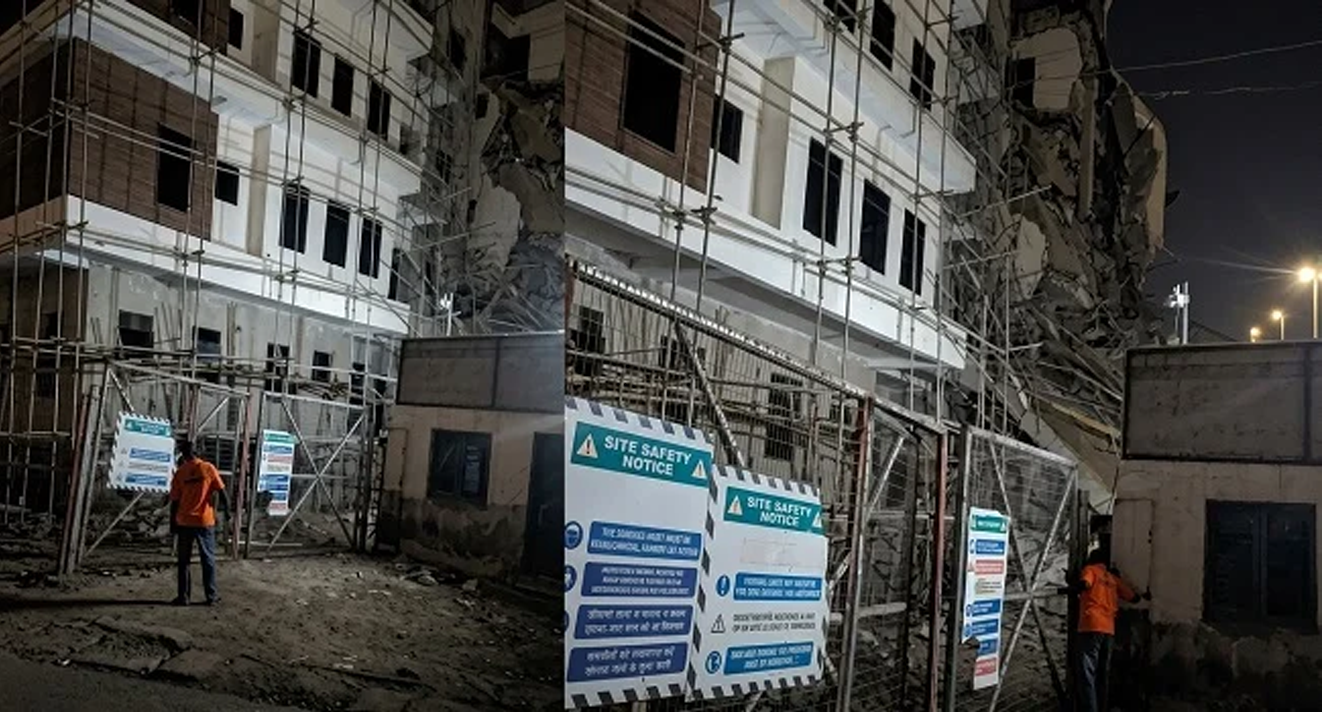
A building collapse in Abuja has left one person injured, renewing urgent discussions about construction safety, building approvals, and structural integrity in Nigeria’s capital. The incident, involving a five‑storey structure, underscores the dangers of poor compliance and inadequate supervision in the country’s fast‑growing property market. While the casualty figure is limited, the event underscores systemic issues that affect construction quality and regulatory enforcement across the country.
Building Collapse in Abuja: What Happened
Emergency responders confirmed one person was injured after the building collapse in Abuja. Investigations are ongoing to determine the cause. Even when casualties are limited, such incidents can disrupt nearby properties, endanger workers, and damage public confidence in construction safety.
Causes of Building Collapse in Abuja
While the official cause remains under investigation, common factors include:
- Design errors and miscalculations.
- Use of substandard materials.
- Poor workmanship and inadequate supervision.
- Unauthorized structural alterations.
- Weak foundations or unsuitable soil conditions.
Each of these risks highlights the importance of professional oversight and adherence to approved designs.
Structural Integrity and Construction Supervision
A building’s safety depends on the strength of its columns, beams, slabs, and foundations. Qualified engineers must ensure that materials meet required standards and that construction follows approved drawings. Even a sound design can fail if supervision is weak or if contractors cut corners.
Development Control and Building Approval in Abuja
The Federal Capital Territory Administration (FCTA), through its Department of Development Control, regulates physical development and monitors compliance. However, building approval does not guarantee safety. Approval depends on submitted plans, while actual safety relies on proper construction, quality materials, and adherence to design. Unauthorized changes after approval can compromise structural integrity.
Responsibilities of Stakeholders
Construction safety is a shared duty:
- Developers must secure approvals and hire qualified professionals.
- Structural engineers ensure design integrity.
- Architects and builders coordinate design and execution.
- Regulators enforce compliance and inspect sites.
Collaboration and documentation are essential to prevent oversight failures.
Regulatory Oversight and Enforcement
Development‑control authorities must inspect projects and act on violations. Enforcement requires accurate documentation and timely intervention. However, the existence of a collapse alone does not prove regulatory failure—only investigation can determine whether lapses occurred.
Lessons for Property Buyers and Investors
The building collapse in Abuja reminds buyers that appearance and price do not equal safety. Before purchasing, buyers should:
- Verify approvals and completion certificates.
- Confirm professional supervision.
- Check for unauthorized alterations.
- Inspect for structural distress such as cracks or deformation.
Due diligence protects both lives and investments.
Tenants’ Role in Building Safety
Tenants should ask landlords about approvals, maintenance history, and known structural issues. Warning signs—widening cracks, sagging beams, or exposed reinforcement—require professional assessment. If immediate danger is suspected, occupants should evacuate and contact authorities.
Economic Impact of Building Collapse in Abuja
Beyond physical damage, collapses cause financial losses, displacement, and reputational harm. Developers may face lawsuits, while investors grow cautious. Transparent investigations and consistent enforcement can restore confidence in Abuja’s property market.
Abuja’s Growing Property Market
As Abuja expands, developers must prioritize safety over speed or aesthetics. Projects should consider site conditions, structural loads, and material quality. Investing in qualified professionals and documented supervision protects long‑term value and public trust.
Technical Investigation and Accountability
The ongoing investigation will determine the cause of the building collapse in Abuja and recommend corrective actions. Depending on findings, outcomes may include technical remediation, professional sanctions, or regulatory reforms. Premature blame undermines credibility; evidence must guide accountability.
Broader Lessons for Nigeria’s Construction Industry
This incident reinforces the need for:
- Stronger enforcement of building codes.
- Mandatory structural audits for multi‑storey projects.
- Transparent approval and inspection processes.
- Professional accountability for engineers and builders.
- Public education on recognizing unsafe structures.
Safety must be treated as a fundamental requirement, not an administrative formality.
Conclusion
The building collapse in Abuja serves as a sobering reminder that safety must underpin every stage of construction—from design to completion. Developers must adhere to approved plans, professionals must uphold technical standards, and regulators must enforce compliance. Buyers and tenants should make informed decisions by verifying documentation and seeking expert advice.
While investigations will reveal the specific cause of this collapse, the broader message is clear: safe buildings depend on sound design, proper construction, effective oversight, and accountability. Abuja’s growing skyline must reflect not only architectural ambition but also structural reliability and public safety.


