


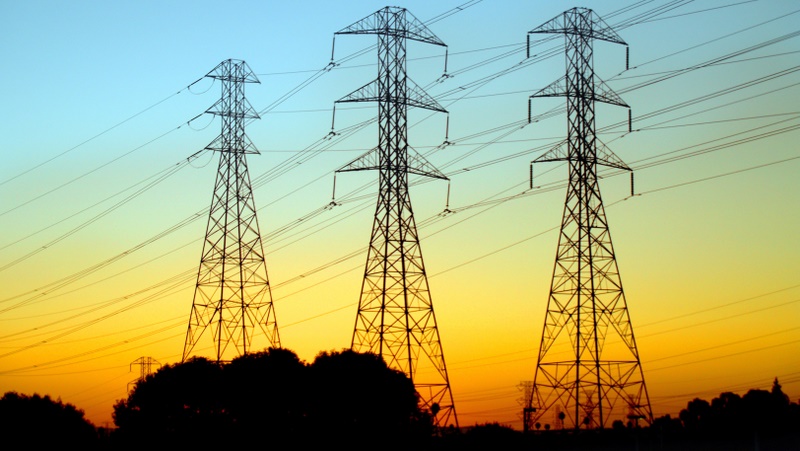
Nigeria’s crippling electricity crisis isn’t just about power outages — it’s amplifying the rising cost of rent and homes across the nation. Despite its vast natural resources, Nigeria still loses an estimated $25 billion annually to unreliable power and outdated infrastructure, according to REA Managing Director Abba Aliyu. Millions remain in darkness, unable to access consistent electricity.
Expensive Alternatives Add to Rent Burden
With grid power unreliable, most renters and homeowners rely on diesel generators. Fueling these generators can quadruple monthly energy bills, boosting living costs significantly. In manufacturing, energy expenses can consume up to 40% of costs so property owners pass these expenses on to tenants in the form of higher rents.
📈 Rent Inflation Accelerated
This electricity premium compounds Nigeria’s housing crisis, which already includes a 20–28 million-unit deficit, and a rental surge magnified by inflation and material costs. Rents have spiked by 300% in urban centres like Lagos and Abuja . Adding power costs, tenants often allocate over half their income to rent and energy.
In Lagos, rent for a two-bedroom flat now exceeds ₦3 million annually, a 60–100% increase in recent months. Meanwhile, unstable electricity forces tenants to cut back on essentials or depend heavily on costly generators.
🌍 Per Capita Consumption Reflects the Link
Nigeria’s annual power use is just 181 kWh per person, compared with over 3,700 kWh in South Africa, Brazil, and Turkey. This shortfall underscores how essential reliable electricity is to affordability and economic growth. Countries with robust power enjoy stronger GDP and lower renter strain — Nigeria continues to lag, with per capita GDP of only $835.
🏚️ What Needs to Happen
Restoring regular grid power could slash energy costs for renters and prevent landlords from inflating rents due to generator expenses. Procurement of millions of meters , expansion of solar systems, and regulatory reforms can make a real difference.
Safeguards like tenement laws, rent controls, and slum upgrading should accompany improvements in power supply. Without them, even modest rents will continue to balloon due to hidden electricity charges.


